
The Future of Trails
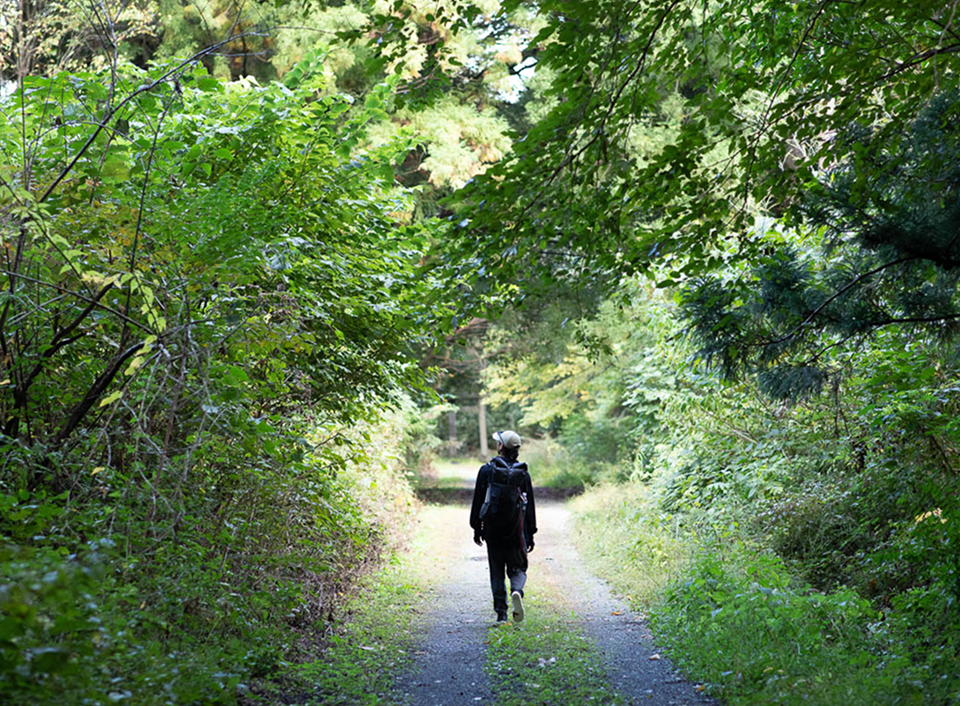
To Ensure the Michinoku Coastal Trail Endures for Future Generations
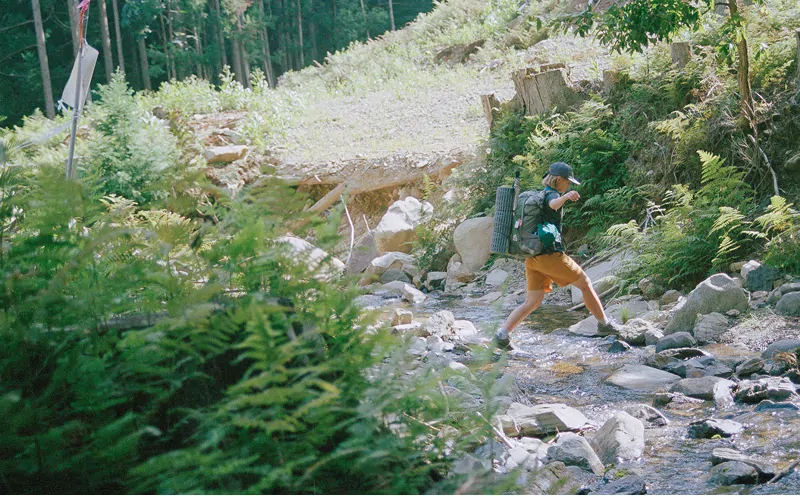
The Michinoku Coastal Trail is a long trail stretching over 1,000 km. The environment surrounding the trail—including the natural landscape, weather, natural disasters, local communities, and trail usage—is constantly changing.To preserve the natural environment along the Tohoku Pacific coast, maintain this trail in a condition that allows for safe hiking, and pass it on to future generations, ongoing efforts and the cooperation of local residents and hikers are essential.
What We Want to Protect
Protecting trails is not just about maintaining the trails themselves.
It is also about passing on to future generations the nature, memories, culture, and connections to the local community that thrive along these trails.
-

Beautiful Scenery and Local Culture
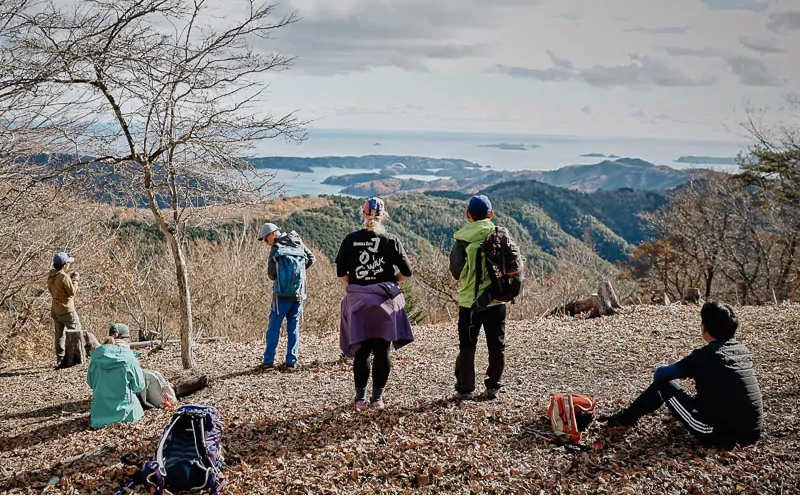
We protect the coastal landscapes of Tohoku, where the sea, mountains, rivers, and countryside come together.
-
Mountains, Rivers, the Ocean, and Their Creatures
We place great importance on respecting the diverse natural environment and the flora and fauna that inhabit it.
-
Memories of the Earthquake
We will pass on the memories of the Great East Japan Earthquake and Tsunami and the progress of reconstruction to future generations.
-
Local Life and Culture
We respect the way of life deeply rooted in the community—including fishing ports, villages, rural woodlands, and culinary traditions.
-

Interaction Between Hikers and the Local Community
We foster relationships where pedestrians and local residents can interact comfortably.
-
A Path We Build Together
We will work together with government agencies, local communities, volunteers, hikers, and supporters to develop the trail.






The Changing Environment and Our Initiatives
The Michinoku Coastal Trail is a long-distance hiking route stretching over 1,000 km.The circumstances surrounding the trail—including the natural environment, weather, natural disasters, local lifestyles, and the growing number of users—are constantly changing. We are working every day to protect the trail, provide hikers with a high-quality hiking experience, and ensure that local communities feel comfortable welcoming hikers.
1|Changes Affecting the Trail
Changes in the Natural Environment
The walking environment—including overgrown vegetation, fallen trees, damaged pavement, and deteriorated signs—changes with the seasons and over time.
Changes Caused by Weather and Disasters
Heavy rain, earthquakes, tsunamis, wildfires, and other events may cause road closures or require the use of detours.
Changes in usage environments and regional conditions
Information regarding transportation, lodging, campgrounds, support facilities, and other services is subject to change at any time.
Impact of Increased User Numbers
As the number of hikers increases, it becomes even more important to be considerate of local communities and the natural environment.
Changes in the Environment Surrounding the Operational Infrastructure
Due to an increase in users and the diversification of operations, the scale and roles of the personnel, collaborators, and funding required for maintenance and information dissemination are also changing. To ensure sustainable operations, it is essential to secure these resources on a stable basis.
2|Our Efforts to Protect the Trails
Maintaining a Long Route
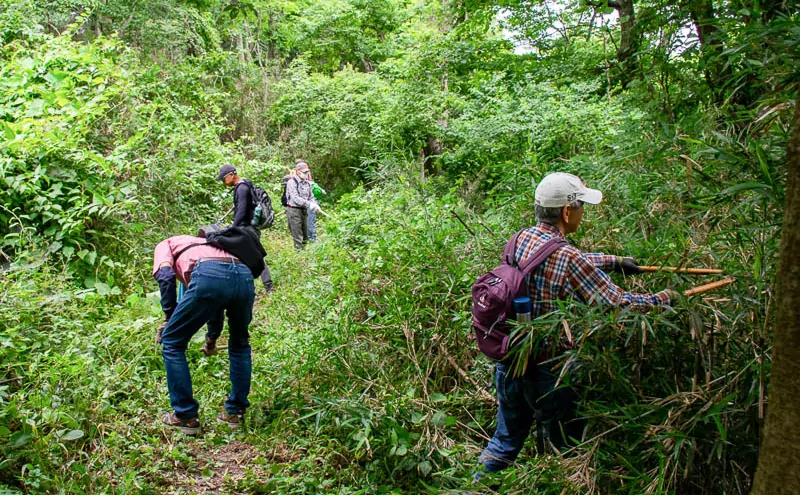
We will work with relevant parties to assess conditions along the entire route, which spans over 1,000 km, and carry out grass cutting, fallen tree removal, sign repair, and measures to address road closures and detours.
Ensuring a Safe Online Environment
We monitor changes in nature and weather conditions, and collect and disseminate information on hazardous areas, wildlife, and other relevant matters.
Conveying Memories of the Earthquake and Local Stories
Through the experience of walking, we pass on to the next generation the memories of the Great East Japan Earthquake and Tsunami, the journey toward recovery, and the region’s nature, culture, and way of life.
Coexisting with Local Life
As roads that pass through villages, fishing ports, local streets, and areas surrounding private property, we will operate them in a way that takes local input into account and considers the needs of residents.
Delivering Accurate Information
We will check road closures, detours, campsites, support facilities, maps, GPS data, and other information, and update the necessary details in an easy-to-understand manner.
Connecting Supporters with Funding
We will foster a system that enables us to continue maintenance and information dissemination through collaboration with government agencies, local communities, volunteers, businesses, supporters, hikers, and others.
To Nurture Together
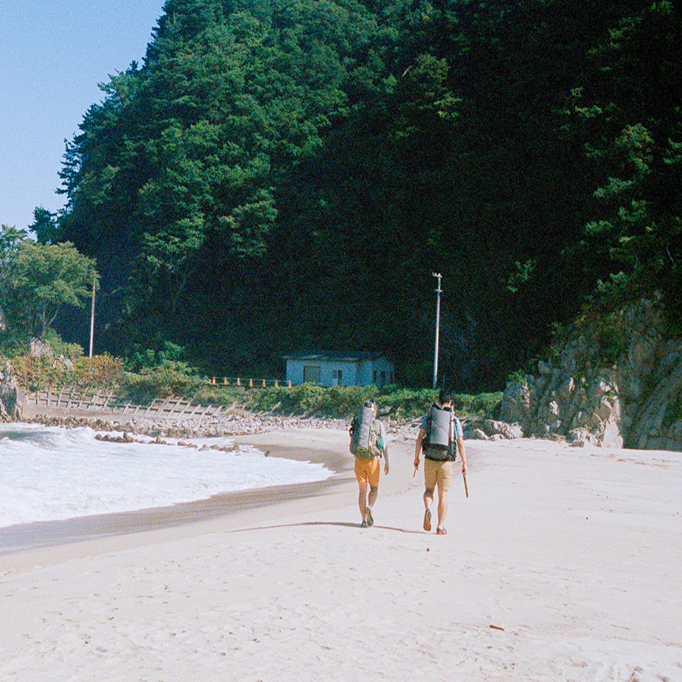
Protecting the trail isn't just about special activities; the actions of each individual help carry this path into the future.
-
 Hike the Trail
To the Walker
Checking the latest information and hiking with consideration for the local community and nature is the first step toward protecting the trail.
-
Maintenance Volunteers
To those participating in the activities
You can participate in maintenance and preservation activities, contributing to the support of the trails.
-
Membership or Donations
To those who support us
You can support efforts to preserve the trail for the future through membership registration or donations.