
About Equipment
1) Essential Gear to Get You Started
The Michinoku Coastal Trail is a long-distance trail that takes you through ever-changing natural landscapes, ranging from paved coastal paths to rugged mountain trails. While there are sections where you can walk at a leisurely pace, there are also many areas with no cell service, sections where you cannot restock supplies, and stretches that require appropriate hiking gear.To ensure a safe and comfortable experience in nature, the key is to anticipate changes in the weather and prepare in advance according to your physical fitness and hiking skills. This page explains basic gear, how to choose appropriate clothing, and seasonal precautions for those who are about to embark on the trail.
-
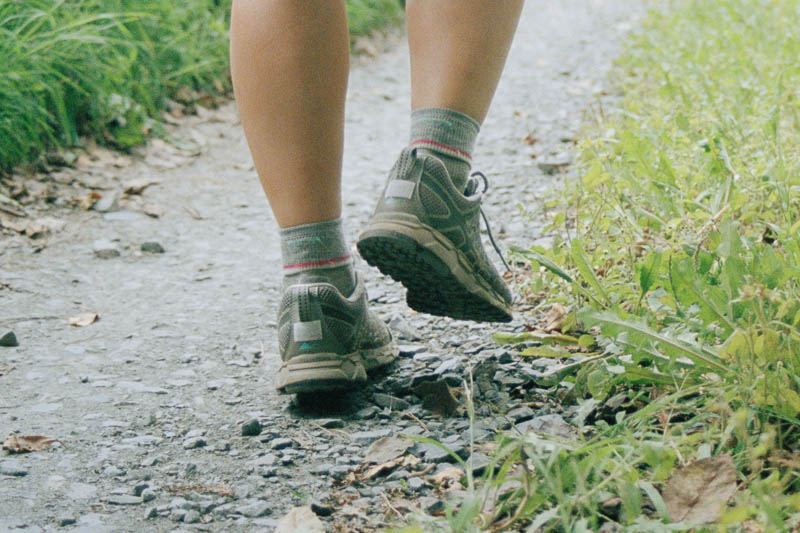
Shoes
Choose a pair of shoes you’re used to wearing. Since the route includes gravel paths and mountain trails, we recommend trail running shoes that can adapt to a wide range of terrain conditions.
-

Rainwear
Be sure to bring rain gear in case of sudden weather changes. Getting wet from rain or sweat can put you at risk of hypothermia, which can be life-threatening even in the summer. It also serves as a useful layer against the cold.
-
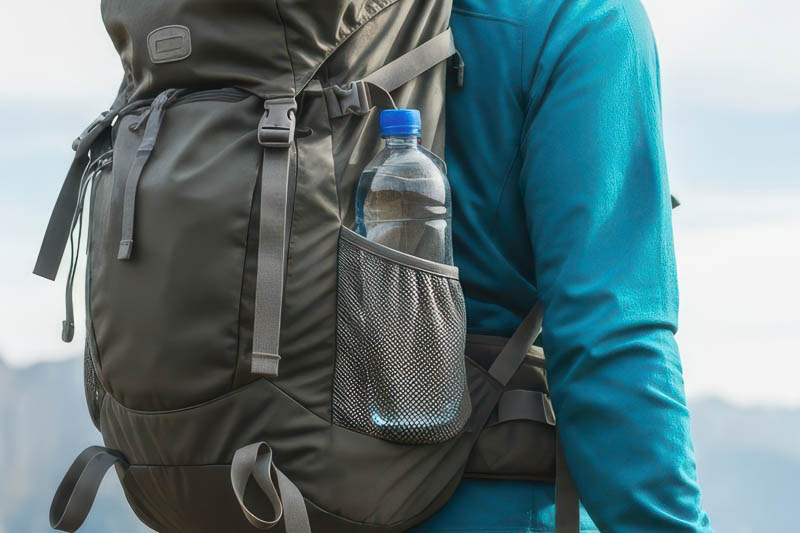
Water and Snacks
There are some sections with few places to restock supplies. Be sure to carry plenty of water and snacks, make a point of refueling frequently, and be careful to avoid heatstroke in the summer.
-
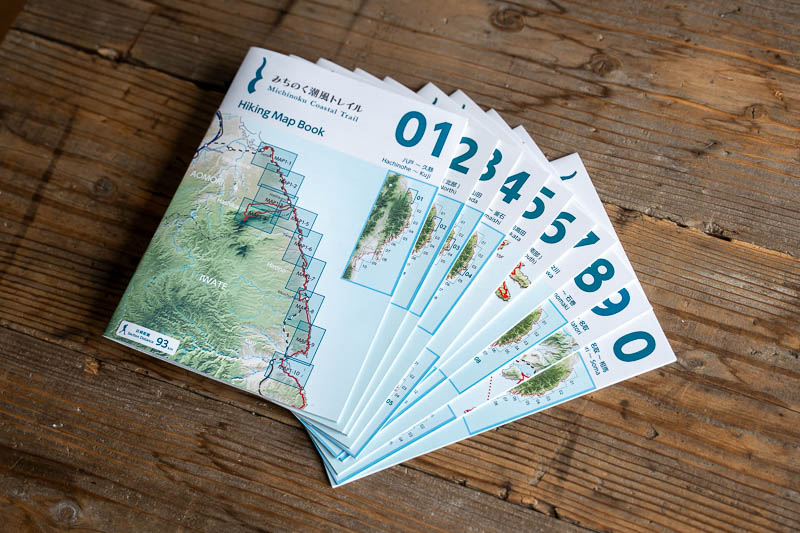
Maps & GPS
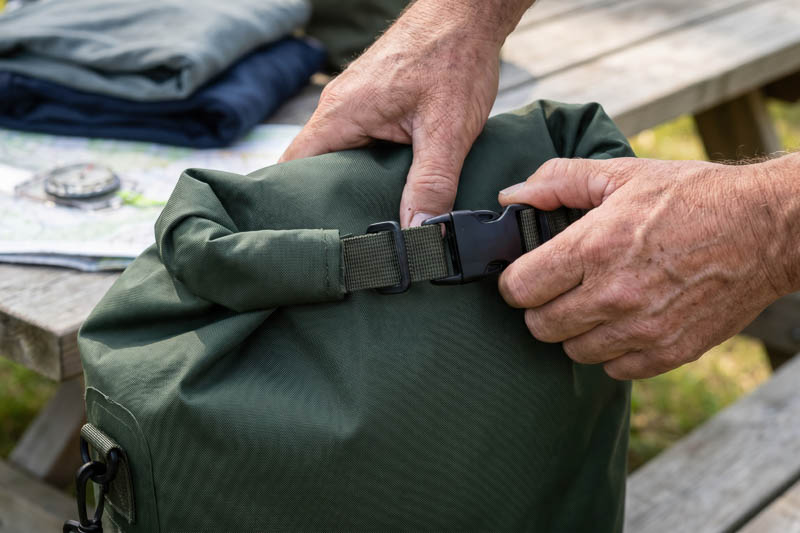
Be sure to check your route and walking pace in advance. Don’t rely solely on your smartphone; make sure to bring a paper map and GPS data that works even when you’re out of cell service.
-
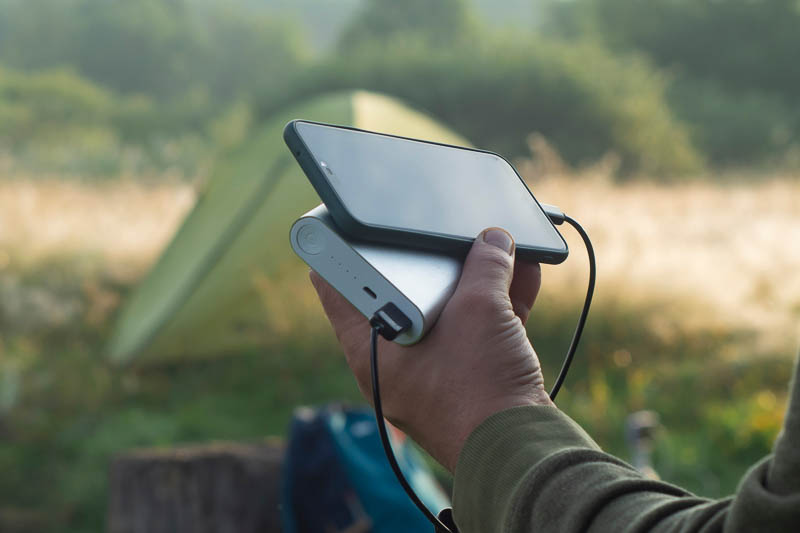
Portable Charger
Using GPS or map apps drains your smartphone’s battery faster. If you’re going to be walking for a long time, be sure to bring a portable charger.
-
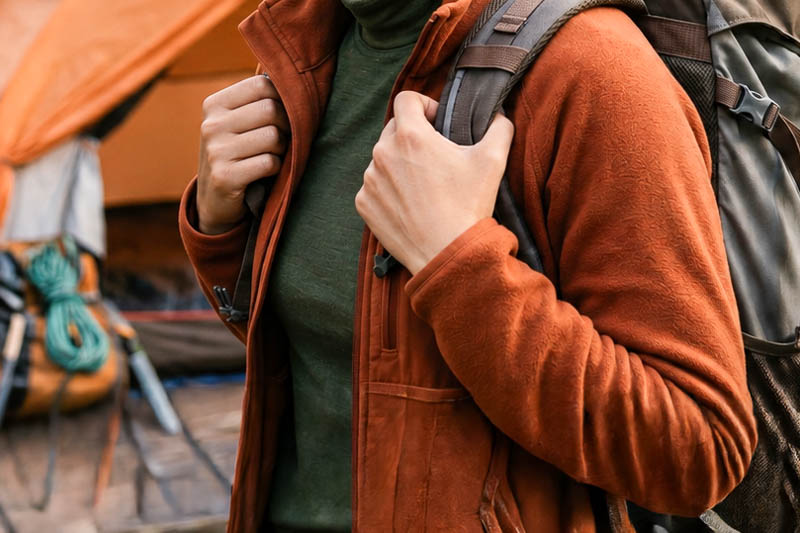
Winter Clothing
Even if the temperature is comfortable during the day, it can suddenly get cold. It’s a good idea to have a lightweight, packable piece of cold-weather clothing, such as a fleece or a synthetic jacket, just in case.
-
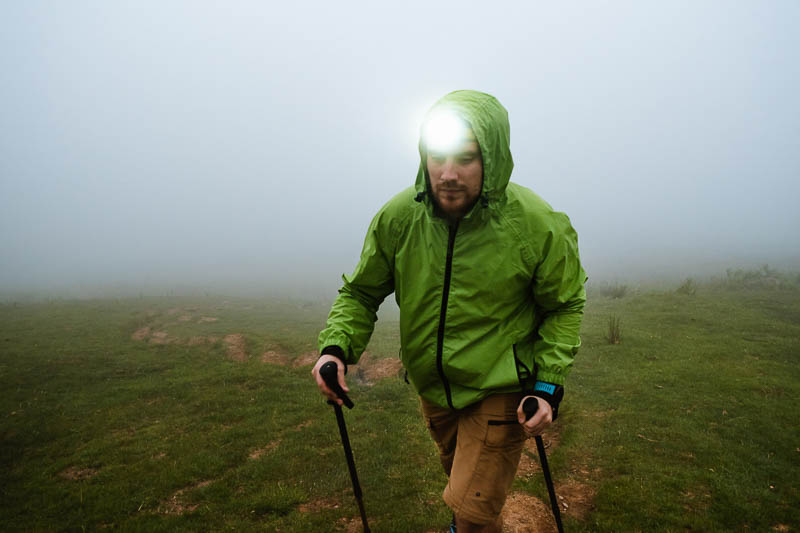
Headlights
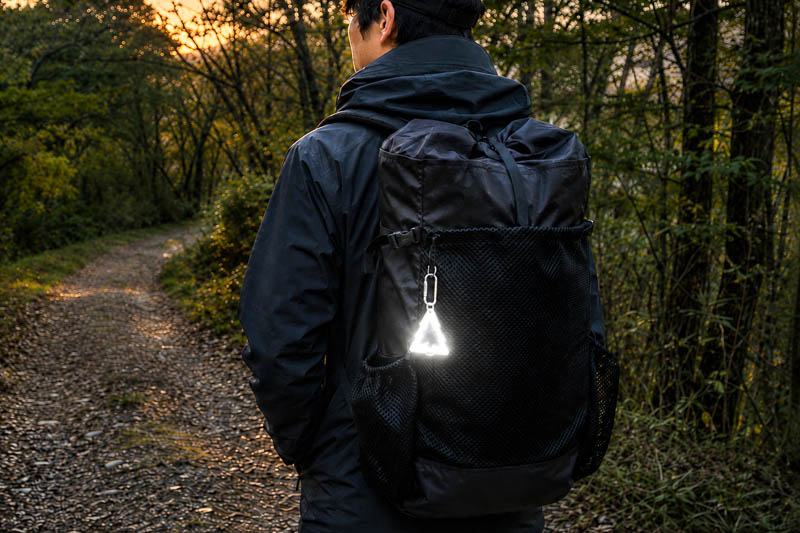
Even experienced hikers often run into problems like, “This took longer than I expected!” To be prepared for when it gets dark, be sure to bring a headlamp.
-
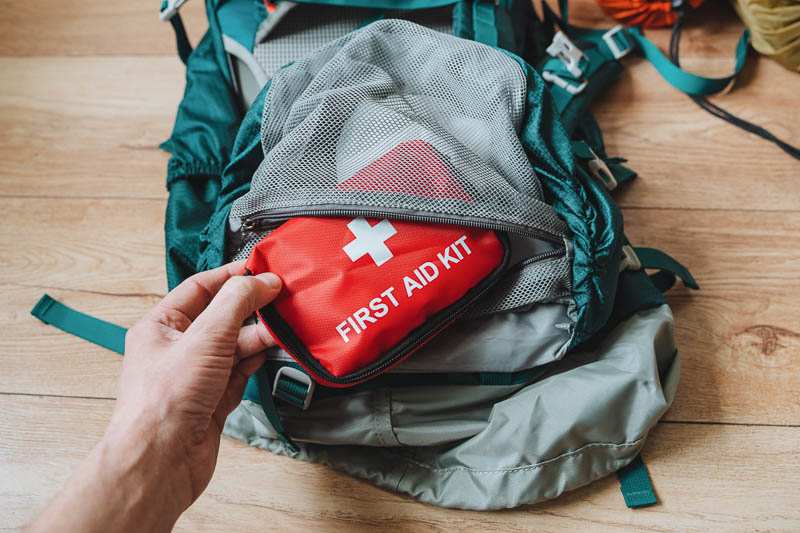
First Aid Kit
Just in case… Items such as emergency tape for sprains, pain relievers, and emergency blankets.
2) Tips on What to Wear
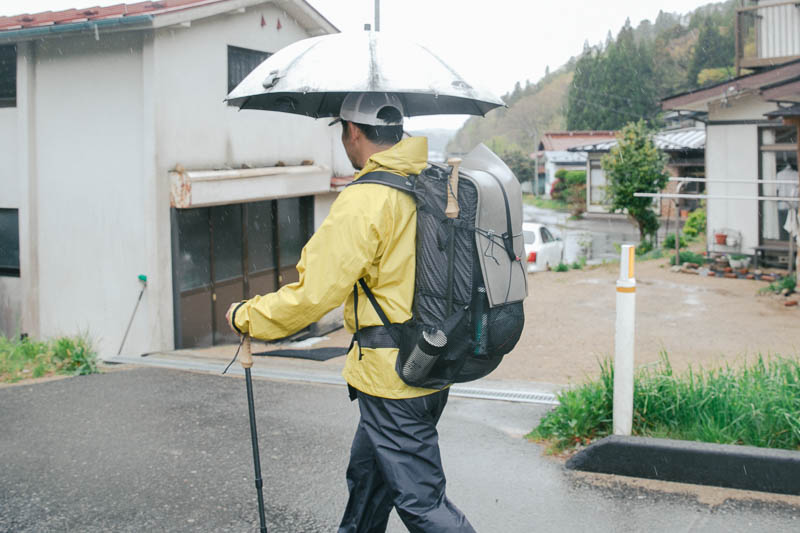
We recommend clothing made from quick-drying synthetic fibers or merino wool.Cotton absorbs moisture easily and dries slowly, which can cause you to feel chilled from sweat and potentially lead to hypothermia.
When it comes to cold-weather gear, choose clothing that allows you to adjust your layers according to the temperature.
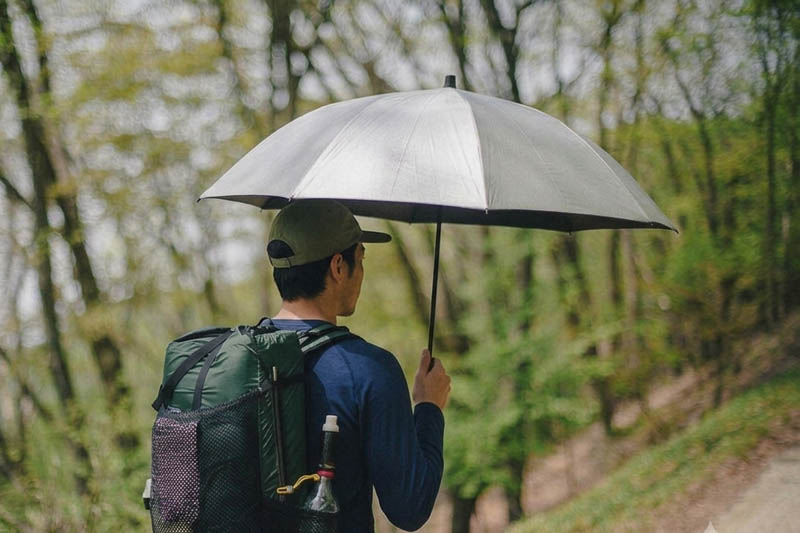
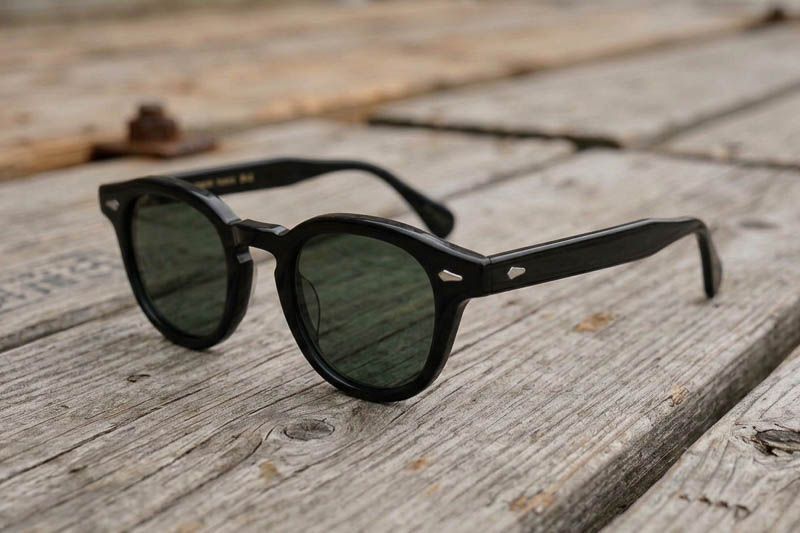
To protect yourself from the sun, we also recommend hats, sunglasses, and parasols.
-
Spring and Fall
In spring and fall, temperatures fluctuate significantly, so be sure to watch out for cold mornings and evenings as well as strong winds. Be sure to bring lightweight warm clothing and rain gear.
-
Summer
Let’s make heatstroke prevention our top priority.
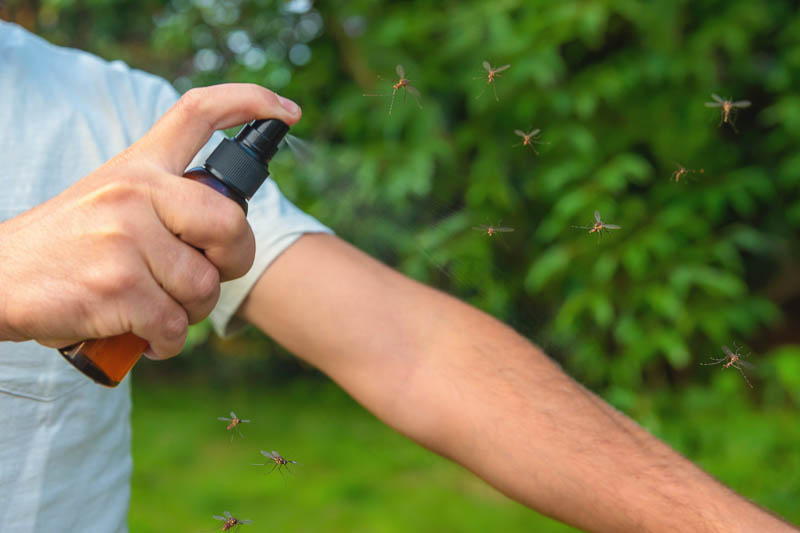
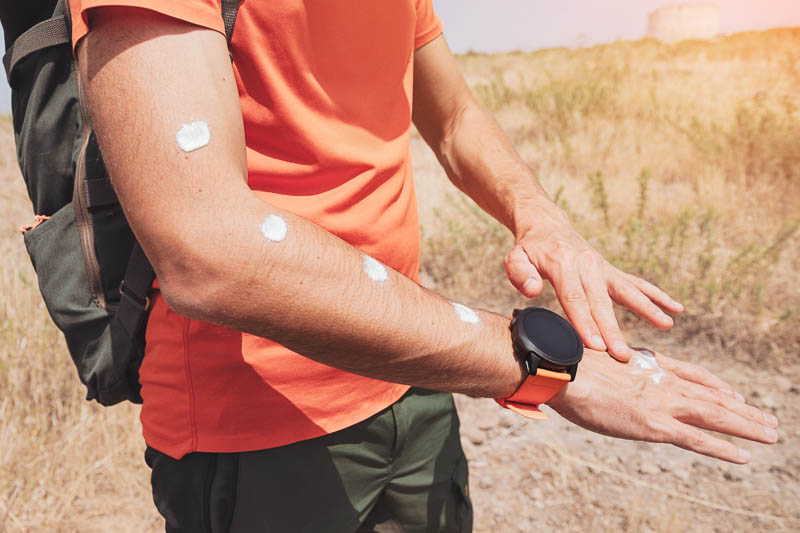
It’s important to stay hydrated, wear a hat, use sunscreen, and apply insect repellent. -
Winter
There are areas where snow accumulation and icy conditions may occur.
Beginners should avoid long-distance hikes and be sure to thoroughly check the weather and local conditions.
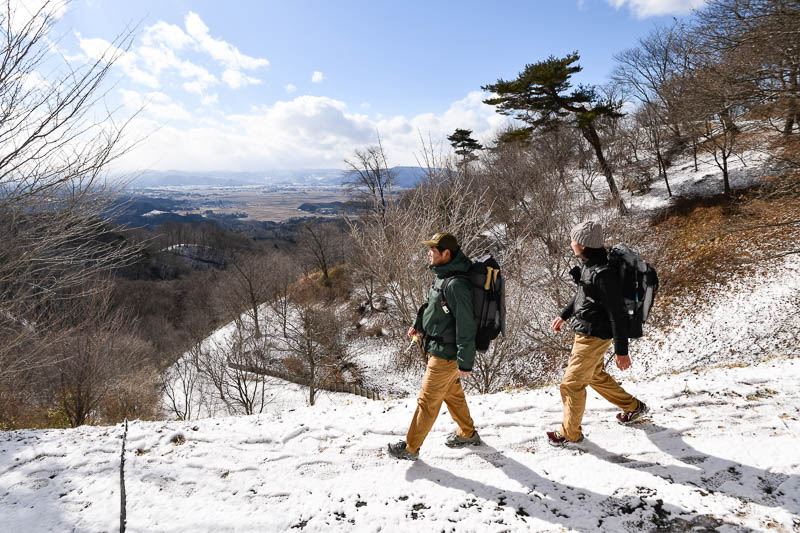
3) Additional Gear for Different Trail Conditions
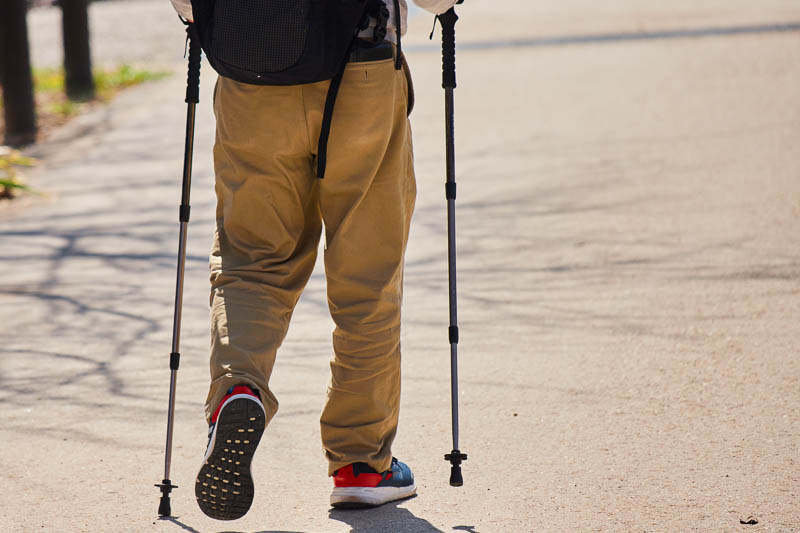
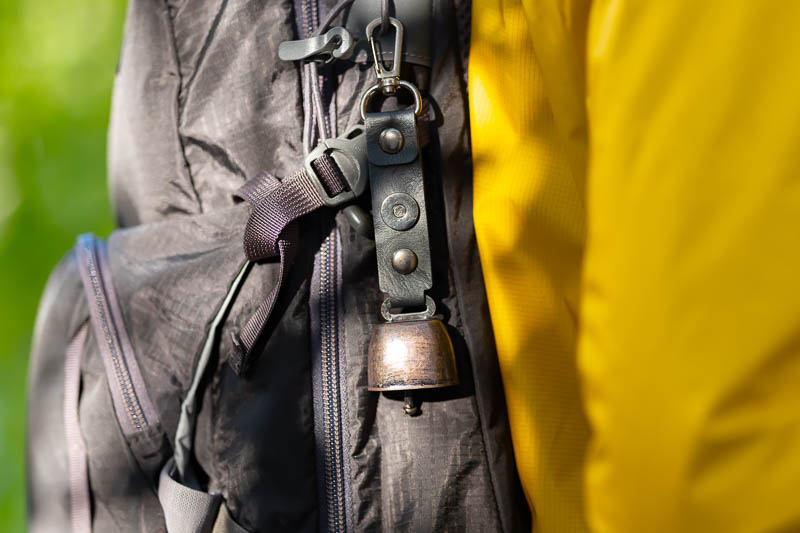
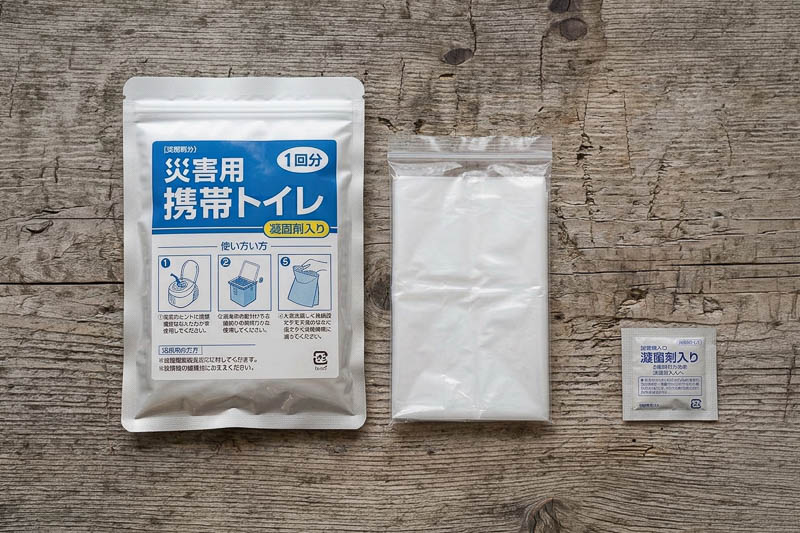
Depending on the route and duration of your walk, you may encounter full-fledged hiking trails. You may experience unexpected fatigue if the hike takes longer than anticipated. Based on our staff’s hiking experience, we recommend bringing the following additional gear.